
Last Updated: November 1, 2026
Quick Summary
Choosing school assembly entertainment starts with one clear goal, such as celebration, engagement, motivation, or connection, before you pick an act. Then check age fit, ask performers the right questions, and vet safety, length, and budget. Plan these points in writing before you book.
- Write your assembly goal in one sentence before contacting any provider.
- Ask for a recent live video from a school audience, not only a highlight reel.
- Get a written quote and confirm cancellation terms before booking.
- Ask for the date and screening vendor of any background check.
Table of Contents
- Start With Your Assembly Goal, Not the Act
- Age-Appropriate School Assembly Programs: What to Look For
- School Assembly Performer Questions to Ask Before You Book
- Vetting Safety, Conduct and Performer Background
- Setting the Right School Assembly Performance Length
- Budget, Venue and Tech Requirements to Plan For
- Building Your School Assembly Planning Checklist
- Booking Your Assembly Show With Dusty Satterlee
- Frequently Asked Questions
Start With Your Assembly Goal, Not the Act
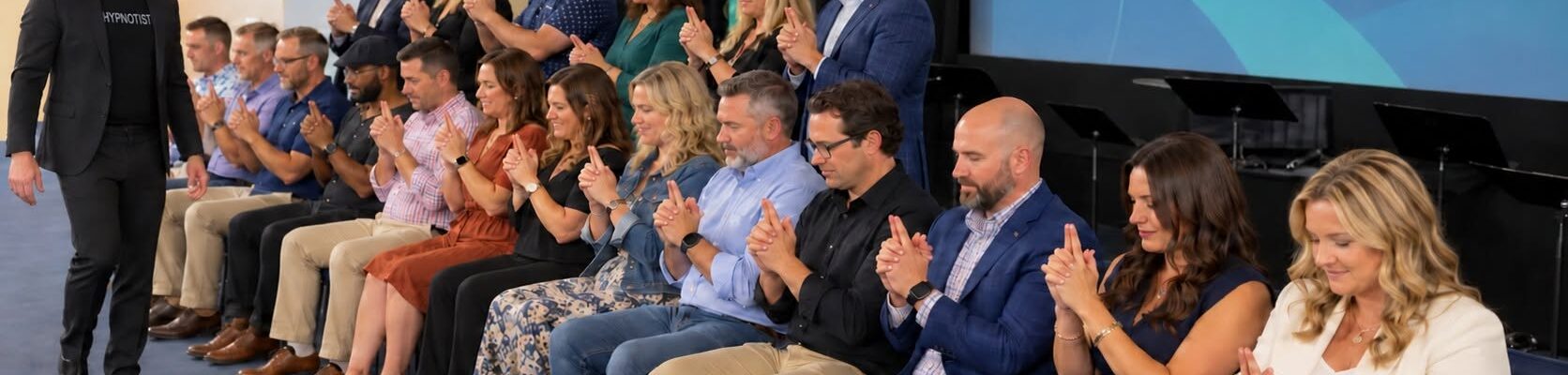
School assembly entertainment works best when it serves a clear purpose. Comedy stage hypnosis and mentalism work for high schools, colleges, and corporate events, and the first question to ask is simple: what should students walk away with? Browse the college programs to see the kinds of school shows offered. Some schools want a laugh and a shared memory. Others want to open a conversation about test anxiety or bullying.
Pick the goal first. Then choose the act.
- Celebration: end-of-year or post-prom energy
- Engagement: get students talking and participating
- Motivation: support a theme like focus, confidence, or kindness
- Connection: bring the whole school together before a big event
A common mistake is booking the act a colleague enjoyed before defining the goal. A show that wowed one school may not fit yours. Write down your goal in one sentence before you contact any provider.
Age-Appropriate School Assembly Programs: What to Look For
Age matters more than most planners expect. A show that works for seniors can feel too mature for freshmen, and material that delights middle schoolers can bore college students.
Check these points:
- Content filter: Ask what the performer removes for younger audiences.
- Participation level: Know how many volunteers come on stage and how they are chosen.
- Tone: Look for humor that lands with a mixed group, not only one peer group.
Mentalism and hypnosis can work well with teens and college students when the content is tasteful. See the high school programs for the offerings built for that age group. Ask the performer how they adjust for your age group before you book.
School Assembly Performer Questions to Ask Before You Book
Good questions separate a strong video from a strong live show. Use this booking checklist for stage hypnotists to organize your questions before you book. Ask for a recent live video from a school or similar audience, not only a highlight reel.
Useful questions include:
- How much of the show is interactive, and how are volunteers picked?
- Can you dial back the intensity if the principal or staff prefer it?
- How do you keep material inclusive for a diverse student body?
- What happens if you cannot attend? Ask about backup plans and the cancellation policy.
- Can you share references from schools of a similar size?
For Dusty Satterlee’s current availability, pricing, and policies, visit the book a show page or request a quote directly. Pricing depends on quantity, dates, and delivery, so a direct quote is the most accurate path.
Vetting Safety, Conduct and Performer Background
Schools carry a duty of care that a public venue does not, so vetting is not a formality. For a direct answer on whether stage hypnosis is safe for schools, read that guide before you plan your review. The goal is a documented, defensible process you can show a principal, a district risk manager, or a parent who asks. Build that process around four checkpoints: screening, supervision, content review, and paperwork.
1. Screening and background checks. Ask every outside performer, and any crew who will be on campus, whether they have completed a criminal background check, and request the date and the vendor used. Many districts require a background check before an adult is allowed unsupervised near students; confirm your district’s requirements. If the performer cannot produce one, ask whether your district can run one and how long it takes; a common pattern is one to three weeks, which affects your booking timeline. Confirm whether the check covers the performer only or the whole traveling crew.
2. Supervision and volunteer handling. Never let a performer select student volunteers without staff oversight. Ask for the volunteer plan in writing: how students are chosen, whether they can decline, whether a staff member stands on stage or in the wings, and how a student leaves the stage early. Set a staffing ratio that your school’s policy requires for student volunteers. Confirm that volunteers are never isolated backstage and that a staff member escorts any student who needs to step away.
3. Content review. Request a recent live video from a school audience, not a highlight reel, and ask what the performer removes for younger grades. Review the volunteer segment specifically, since that is where unscripted moments happen. Ask how the performer handles a heckler, a student who freezes, or a joke that lands wrong, and confirm the performer will follow a staff signal to wrap a bit early.
4. Paperwork and conduct. Get a written code of conduct, a certificate of insurance if your district requires one, and a signed agreement that names the cancellation and substitution terms. Keep the background check confirmation, the volunteer plan, and the conduct agreement in one folder with your event file.
Do not accept a verbal assurance that a check was done. Ask for the date and the screening vendor, and confirm the check is current for the school year. A performer who cannot document screening is a risk your district, not the performer, will own.
For district-level guidance, review your school board policy on visitor and volunteer screening and the U.S. Department of Education resources on school safety planning. Ask for training details if your district requires them as part of its review.
Schools need a documented vetting process, and the article lays out four checkpoints a planner can work through.
| Checkpoint | What to get | Timing or note |
|---|---|---|
| Screening and background checks | Check date and screening vendor | Often one to three weeks |
| Supervision and volunteers | Written volunteer plan with staff oversight | Staff never leave volunteers isolated |
| Content review | Recent live video from a school audience | Review the volunteer segment closely |
| Paperwork and conduct | Code of conduct, insurance and cancellation terms | Keep all in one event folder |
Setting the Right School Assembly Performance Length
Length should fit your schedule and your students’ attention span. Most assemblies run inside a fixed bell schedule, so plan backward from the end time.

Consider these guidelines:
- Short slot: 20 to 30 minutes for a focused message
- Standard slot: 35 to 45 minutes with time for participation and questions
- Full program: 50 minutes or more for a whole-school event
Ask the performer how long the show runs and how much of that time is interactive. A tighter show often holds attention better than a long one.
Budget, Venue and Tech Requirements to Plan For
Most assembly budgets are approved before anyone knows what the show actually costs, so plan total cost and feasibility together. A performer’s fee is only one line; travel, equipment, staff time, and setup can change the number and the schedule.
What drives the fee. Ask the performer which variables move the price: date and time of year, number of students or shows, distance and travel, and whether the booking is a single assembly or a full-day residency. Ask the performer which dates and booking formats affect the fee. Request a written quote that separates the performance fee from travel, equipment rental, and any per-show discount.
Compare quotes on total cost, not sticker price. Put each quote in the same format: performance fee, travel and lodging, sound and lighting rental, setup and strike time, staff coverage hours, and cancellation terms. A lower fee with a long travel charge or a required equipment rental can cost more than a higher all-in quote. Ask whether the performer brings its own sound equipment or needs your system.
Test venue feasibility before you commit. Confirm stage or floor dimensions, ceiling height, and sightlines from the back row. Ask how many students the space seats and whether the act works for a gym with poor acoustics or a cafeteria with a low ceiling. For a hypnosis or mentalism show, confirm there is a clear path from the audience to the stage for volunteers and a private area nearby for any student who needs to step out.
Tech and setup checklist. Confirm power access, whether the performer needs a sound check, and how much setup and strike time to schedule. Ask the performer how much setup and strike time they need, and schedule it before doors open. Ask about a backup plan if the sound system fails.
Staff time is a budget line. Count the hours for setup supervision, volunteer escorting, crowd management, and cleanup, and confirm who covers each. A written quote plus a one-page venue and tech confirmation keeps the principal, the facilities team, and the performer aligned before the day.
Building Your School Assembly Planning Checklist
Use this checklist to keep your planning organized:
- Define the assembly goal in one sentence
- Confirm the age-appropriate content adjustments
- Ask for a recent live performance video
- Review the volunteer and conduct policy with staff
- Set the performance length against the bell schedule
- Confirm venue, sound, and staff needs
- Get a written quote and cancellation terms
- Ask for references from a similar school
A written checklist keeps the whole team aligned and prevents last-minute surprises.
Booking Your Assembly Show With Dusty Satterlee
Once you have answered these questions, you are ready to book. Dusty Satterlee brings elegant, tasteful comedy stage hypnosis and mentalism to high schools, colleges, and corporate events. Past customers have praised the experience: one Post Prom organizer shared that students and volunteers at Edinburg High School enjoyed the performance.
To check dates and request a quote, use the Book A Show page on the Dusty Satterlee website.
Frequently Asked Questions
How do you choose entertainment for a school assembly?
Start by defining what the assembly should achieve, such as motivating students, teaching a lesson on anti-bullying or simply building school spirit. Then match the entertainer’s style to that goal and to your audience’s age range. Ask for references from schools of similar size, confirm the performer’s experience with student audiences, and review a full video of a live show rather than a highlight reel. Finally, check that the total cost, including travel and tech needs, fits your budget before you commit.
How long should a school assembly performance be?
Assembly length should match your bell schedule and your students’ attention span, so plan the time with the performer. Ask the performer how they structure their time and whether they can adjust length to fit your bell schedule and any speeches or awards planned for the same period.
What questions should schools ask an assembly performer?
Ask how the performer keeps content appropriate for a mixed-age audience and what they do if a volunteer or joke goes wrong. Confirm their experience with schools specifically, how they handle student participation, and whether they have a backup plan if they cannot attend. Ask about setup requirements, microphone and staging needs, and their cancellation policy. Request a reference from a school that hosted them recently, and ask what that school would do differently.
How can a school assembly be both entertaining and educational?
Pick an entertainer whose act reinforces a clear message, such as teamwork, resilience or respect, and ask how they connect their routine to that theme. Brief the performer on your learning objectives in advance so they can reference them during the show. Follow up with a short classroom discussion or a take-home question so the lesson continues after the assembly ends.
