


Table of Contents
- Why the Right Questions Matter Before You Book a Mentalist
- Question 1: How Much Live Experience Do You Have at Events Like Mine?
- Question 2: How Long Is Your Show, and Can It Be Adjusted?
- Question 3: What Do You Need From Our Venue and Audience?
- Question 4: Will the Performance Be Tasteful for Our Audience?
- Question 5: How Interactive Is the Show, and Can It Be Dialed Back?
- Question 6: What Does the Mentalist Booking Contract Cover?
- Question 7: What Is Your Backup Plan and Cancellation Policy?
- Putting the Answers Together
- Frequently Asked Questions
Last Updated: November 3, 2026
Why the Right Questions Matter Before You Book a Mentalist
Booking a mentalist before booking for a school assembly, company event, or fundraiser is a bigger decision than it looks.
Think about what you need the show to do. A post-prom crowd, a sales retreat, and a student assembly on test anxiety call for very different performances. The right questions help you match the act to the room before you sign anything.
Last year’s entertainment is a useful place to start. Ask yourself why it was forgettable. Was it too long, too loud, too impersonal, or just a bad fit for the audience? Those answers point directly to the questions below.
Here are seven questions to ask any mentalist before you book, with what a good answer sounds like.
Question 1: How Much Live Experience Do You Have at Events Like Mine?
A strong performer should be able to name specific events similar to yours. Experience at school assemblies, corporate dinners, or fundraisers tells you they understand the room, not just the act.
Look for a performer who can describe how they adjusted for a crowd like yours. Here is what to listen for:
- Past events of the same type and size
- How they handled a mixed audience of ages or backgrounds
- Examples of working with planners who had tight schedules
You can see the range of booking options before reaching out.
A common mistake is hiring based on a polished video alone, so review the performer’s track record and ask for a live reference, not just a highlight reel, before you commit to a mentalist before booking.
Question 2: How Long Is Your Show, and Can It Be Adjusted?
Length matters more than most planners expect. A 20-minute set can feel perfect for a 400-student assembly and far too long for a networking hour.
Ask for the typical run time and whether it can be shortened or extended. Be wary of anyone who insists on one fixed format.
Explore the service options to see what is offered for your event.
Watch out: a performer who cannot give you a clear time range before the event may struggle to fit your schedule on the day.
Question 3: What Do You Need From Our Venue and Audience?
Every performer has basic requirements. You should know them early so there are no surprises on the day. This is also the question where vague answers cost planners the most, because a missing microphone or a locked loading dock turns into a late start in front of your whole audience.
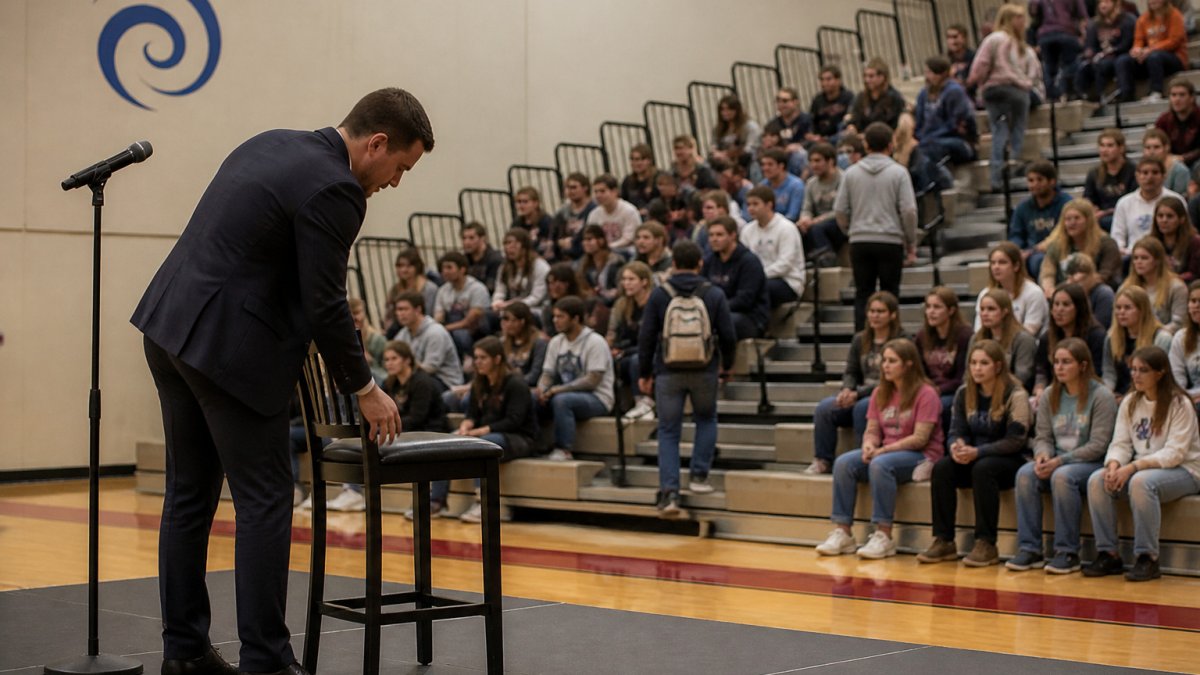
Ask about:
- Stage or floor space and whether a raised platform is needed
- Microphone, sound system, and lighting needs
- How many volunteers the show needs, if any
- Any rules for the audience, such as age limits or seating
Go past the bullet list and get a written technical rider. A rider is a one-page document that states exactly what the performer needs and what the venue must supply. Ask the mentalist to send theirs, then walk it against your room. The checklist below is the one most professional stage acts will recognize:
- Stage and floor space. Ask for minimum width and depth in feet, whether a raised platform is required, and whether the act needs a table, chair, or clear sightlines to the back row. A school gym floor and a hotel ballroom stage are not interchangeable.
- Sound. Confirm whether the performer brings a wireless headset or handheld microphone or expects the venue’s AV team to supply one. Ask whether they need a sound check and how long it takes. A 15-minute check is common; a full band-style check is not.
- Lighting. Ask whether the act works under house lights or needs a basic stage wash and a spotlight. Mentalism often depends on audience sightlines, so a dark room with no front light is a real problem.
- Setup and teardown time. Ask how early the performer needs access to the room and how long teardown takes. Build that window into your run of show rather than assuming the act appears at showtime.
- Room layout. Find out whether the audience should be seated at tables, in rows, or standing, and whether the performer works best with a center aisle or open floor. For corporate groups, ask whether the room will be set for dinner or theater-style, because the answer changes how the performer works the room.
- Venue coordination. Ask who the performer contacts on site, the AV lead, the facility manager, or your event coordinator, and exchange cell numbers before the event date. Confirm loading dock access, parking, and any building security check-in.
Watch out: a performer who cannot produce a written rider, or who says “I’ll figure it out when I get there,” is shifting setup risk onto you and your venue staff.
Planners who review the corporate service details early tend to avoid last-minute setup problems. Send the rider to your venue contact as soon as the booking is confirmed, and ask them to sign off on each line in writing.
Before booking, the article suggests comparing the main venue and setup requirements a planner should confirm with the performer.
| Requirement | What to confirm | Why it matters |
|---|---|---|
| Stage or floor space | Minimum width and depth, raised platform need | Fits the act to your room |
| Sound | Who supplies microphone, and sound check length | Avoids late starts |
| Lighting | House lights or basic stage wash and spotlight | Mentalism depends on sightlines |
| Setup and teardown | Access time before showtime and teardown length | Build into your run of show |
| Room layout | Tables, rows, or standing; center aisle or open floor | Changes how the performer works the room |
| Venue contact | AV lead, facility manager, or event coordinator | Exchange numbers before the event date |
| Technical rider | One-page written list of needs and venue supplies | Walk it against your room |
Question 4: Will the Performance Be Tasteful for Our Audience?
This is the question many planners worry about most, and for good reason. A mixed crowd of students, coworkers, or donors will not all laugh at the same jokes.
Ask the performer how they keep material appropriate. Strong answers mention a clean, inclusive approach and a clear line on what they will not do. Dusty Satterlee’s style is described as tasteful and elegant.
Ask directly whether the show avoids off-color content. A performer who hesitates is telling you something.
Question 5: How Interactive Is the Show, and Can It Be Dialed Back?
Many planners want audience participation, but some want something calmer. Hypnosis, in particular, can feel intense to people who are not expecting it.
Ask how many volunteers are chosen and how they are selected. Ask whether participation is always voluntary, and whether the intensity can be lowered for a younger or more reserved group.
Good performers will explain how they respect boundaries. Anyone who says participation is mandatory, or who will not adjust the format, is a poor fit for a school setting.
Question 6: What Does the Mentalist Booking Contract Cover?
A written agreement protects both sides. Read it carefully before you pay a deposit, and treat the contract as the place where every verbal promise from the sales call gets locked down. Most booking disputes trace back to a term that was discussed but never written.
Check for:
- The date, start time, and run length
- The total fee and what it includes
- The deposit amount and payment schedule
- Cancellation and rescheduling terms
- Liability insurance coverage
Go further than the checklist. The terms below are the ones that decide whether you are protected when plans change:
- Deposit and payment schedule. A deposit reserves the date, and it is usually non-refundable because the performer turns down other bookings for that night. Ask what percentage the deposit represents, when the balance is due, and whether the balance is due before or on the event date. Get the schedule in writing so your accounts payable team can plan around it.
- Cancellation by you. Ask what happens if your event is canceled 90 days out versus 14 days out. Many contracts scale the refund by how close the cancellation is to the date. Know the cutoff dates before you sign.
- Cancellation or no-show by the performer. This is the term planners forget to ask about. Confirm what the performer owes you if they cancel, whether the deposit is returned, and whether they will help find a replacement.
- Rescheduling. Ask whether a date change is treated as a cancellation or as a reschedule, how many reschedules are allowed, and whether a reschedule fee applies. School and corporate calendars shift, so this term matters.
- What the fee includes. Confirm whether travel, lodging, materials, and any AV rental are inside the quoted fee or billed separately. Ask whether there are overtime charges if your program runs long.
- Insurance and venue requirements. Ask for a certificate of liability insurance if your venue requires one, and confirm the coverage limits your venue demands. Large venues and school districts often set minimum limits and require the certificate days in advance.
- Force majeure and weather. Ask how the contract handles severe weather, facility closures, or public health restrictions that make the event impossible.
Pricing depends on quantity, dates, and delivery, so request a written quote from the performer and compare it against your budget. Ask for current pricing directly from the performer’s website or sales contact rather than relying on third-party listings.
Schools and nonprofits often need a purchase order or invoice. Confirm these needs early so payment does not delay the event, and ask the performer which payment methods they accept.
Watch out: a contract that names a total fee but never states the deposit amount, the balance due date, or the performer’s own cancellation obligations leaves you with little recourse if the booking goes sideways.
Question 7: What Is Your Backup Plan and Cancellation Policy?
Illness, travel problems, and scheduling changes happen. Ask what happens if the performer cannot attend.
A solid answer covers how much notice is given, whether a substitute is available, and how refunds work. Find out who to contact on the day of the event, too.
Confirm these terms are in writing before the event date.
Putting the Answers Together
Once you have answers to all seven questions, compare them side by side. The right performer should be clear, specific, and easy to work with from the first call.
Last year’s forgettable show probably skipped at least a few of these steps. Asking them now is the simplest way to make sure your next event gets people talking instead of checking their phones.
Frequently Asked Questions
What should I ask a mentalist before booking?
Start with live experience at events similar to yours, the length and format of the show, what the venue and audience need, and how the performance is kept appropriate for your crowd. Then review the booking contract for fees, deposits, what is included, and cancellation terms. Ask for references or past client feedback from comparable events. Confirming these details in writing before you sign prevents most surprises on event day and gives you a clear basis for comparing performers.
How long should a mentalism show be?
The right length depends on your schedule, crowd size, and whether the performance is a featured program or a break between other activities. Ask the performer whether the set can be shortened or extended, and whether the show is built around audience volunteers, which affects pacing. Confirm the final running time in the contract so your agenda stays on track.
How do I make sure a mentalist’s performance suits my audience?
Ask the performer how they tailor material for mixed-age or mixed-background audiences and what they avoid, such as off-color jokes or content that singles out individuals. Request a performance video or a reference from a comparable event, and ask whether you can review or preview content in advance. Clear expectations about tone and boundaries, shared before booking, are the most reliable way to keep the show appropriate for your guests.
What should a mentalist’s booking agreement include?
A solid agreement should list the event date, start and end times, performance length, total fee and payment schedule, any deposit and whether it is refundable, what is included, and the cancellation and rescheduling terms. It should also state who is responsible for setup, equipment, and insurance, and what happens if the performer is unable to attend. Read it carefully and ask questions about anything unclear before signing.
Ready to talk through your event? Book A Show with Dusty Satterlee and get a quote tailored to your audience, venue, and schedule.
